

Overview of the “Ways of the World” Textbook PDF
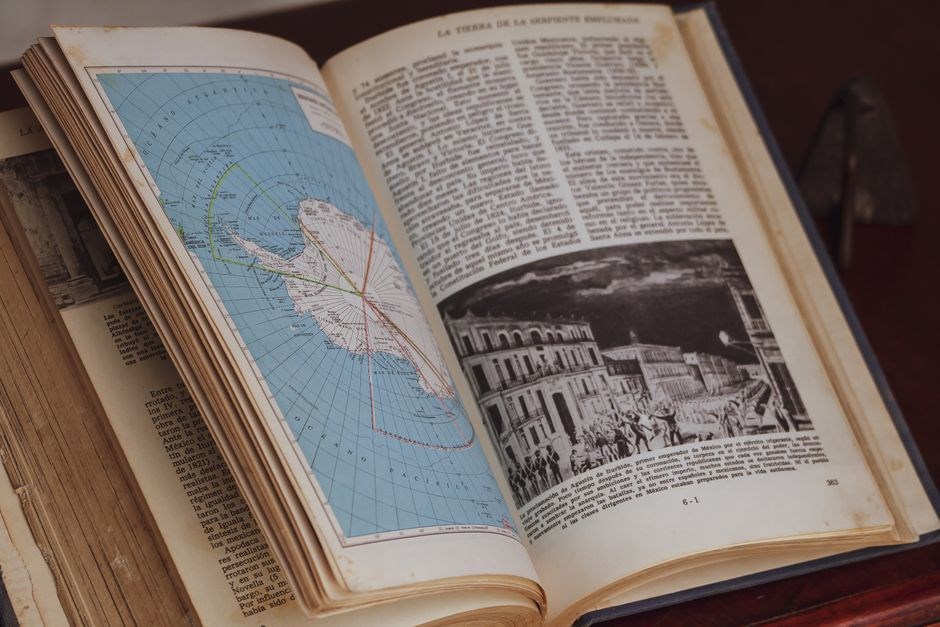
The Ways of the World PDF offers a comprehensive, focused textbook that blends history, culture, and critical analysis․ It equips learners with context, comparative perspectives, and analytical tools essential for understanding interconnected societies․ Its layout and examples spark inquiry deeply․
1․1 What is the “Ways of the World” textbook and why it matters for global studies?
The Ways of the World textbook PDF is a dynamic, interdisciplinary resource that blends history, geography, and cultural studies into a cohesive narrative․ Designed for high‑school and introductory college courses, it presents global events through comparative lenses, encouraging students to examine how societies shape and are shaped by economic, environmental, and political forces․ Its clear chronology, thematic chapters, and diverse case studies foster critical thinking and contextual understanding․ By integrating primary sources, maps, and multimedia links, the PDF invites active engagement, making abstract concepts tangible․ For educators, the text offers ready‑made lesson plans, assessment tools, and discussion prompts that align with common core standards․ Students benefit from a structured yet flexible framework that supports independent research and reflective writing․ Its pedagogical design emphasizes inquiry, prompting questions like “How does a technological innovation alter social structures?” and “What role do power dynamics play in shaping cultural identities?” The modular structure allows teachers to isolate units—such as the rise of empires, the spread of religions, or the impact of colonialism—and adapt them to diverse classroom contexts․ By fostering comparative analysis, the text promotes cross‑cultural empathy, helping learners appreciate shared human experiences and unique local narratives․ By encouraging collaboration and critical reflection, the PDF prepares students to engage thoughtfully with complex global issues․ Students apply these insights in projects, debates, and research, developing skills that translate to real‑world problem solving daily!

Content Structure of the PDF
The Ways of the World PDF organizes content into thematic units, each with chapters, sections, and sub‑sections․ Clear headings, concise summaries, and cross‑references guide navigation, enabling quick access to key concepts and resources․ Global access for all․
2․1 How the chapters, sections, and thematic units are organized for easy navigation;
The Ways of the World PDF structures its material into a series of interconnected thematic units, each representing a distinct historical or cultural lens․ Within each unit, chapters are arranged chronologically or thematically to build a coherent narrative flow․ Every chapter is subdivided into clear sections, each marked with concise headings that highlight key concepts․ These sections incorporate sidebars, case studies, and visual aids that reinforce learning objectives․ The PDF’s interactive table of contents links directly to chapter anchors, allowing readers to jump instantly to any topic; Additionally, a sidebar navigation panel lists all units, chapters, and sections, providing a quick reference map․ Hyperlinked footnotes and cross‑references link related content across units, encouraging comparative analysis․ The layout uses consistent typography and color coding to differentiate units, chapters, and sections, making it easy for students to locate information and for educators to design lesson plans․ Finally, a search function indexed by keywords and phrases lets users retrieve specific content within minutes, ensuring efficient study and review․ By integrating these structural elements, the PDF not only supports systematic exploration of complex topics but also encourages reflective synthesis, critical comparison across cultures, and the development of analytical skills essential for global citizenship․
Chapter Highlights
Each chapter spotlights pivotal eras, key figures, and transformative events․ Themes such as migration, technology, and ideology intertwine, offering clear learning outcomes․ Engaging visuals, critical questions, and real‑world examples deepen understanding and spark discussion․ Students can explore and
3․1 Key themes, concepts, and learning outcomes featured in each chapter․
Across the Ways of the World PDF, each chapter is a microcosm of global change, weaving together themes such as power, identity, and innovation․ Students dissect the rise and fall of empires, the diffusion of ideas, and the forces that shape societies․ Core concepts—cultural diffusion, economic systems, and political ideologies—are explored through comparative case studies, primary documents, and interactive maps․ Learning outcomes focus on critical analysis, evidence‑based reasoning, and cross‑cultural empathy․ By the end of each unit, learners can articulate how historical events influence contemporary global dynamics, evaluate multiple perspectives, and construct informed arguments․ The textbook’s structure encourages inquiry, prompting students to ask why, how, and what if questions that deepen understanding and foster lifelong curiosity․
By engaging with primary sources, students practice contextual interpretation, while comparative timelines illuminate patterns across regions․ The textbook incorporates reflective prompts that challenge assumptions, encouraging learners to evaluate the ethical dimensions of historical decisions․ Visual aids—charts, maps, and infographics—translate complex data into accessible insights, supporting diverse learning styles․ This integrated approach equips students to navigate the complexities of global history with confidence and curiosity․
Global readiness grows daily

Educational Features and Resources
Interactive maps, quizzes, and multimedia clips bring each chapter alive․ Annotated PDFs allow inline notes, while downloadable worksheets support independent practice․ A companion website hosts discussion forums, additional readings, and teacher guides, fostering collaborative learning․ Explore more!!!!!!!??
4․1 Interactive elements, graphics, reference lists, and supplemental materials that enhance learning․
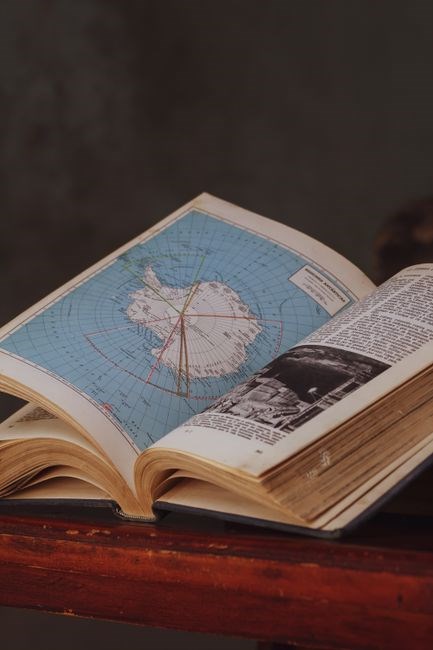
Within the Ways of the World PDF, interactive features are woven throughout each chapter to engage readers actively․ Clickable timelines allow users to explore key events in chronological order, while embedded video clips provide expert commentary on pivotal moments․ Interactive maps let learners zoom into geographic regions, overlaying demographic data and historical boundaries for deeper spatial analysis․ Each chapter also includes dynamic infographics that illustrate complex relationships—such as trade routes, migration patterns, or demographic shifts—using color gradients and animated arrows to guide visual comprehension․ Reference lists are meticulously curated, offering primary source links, scholarly articles, and recommended reading that align with the chapter’s themes․ Hyperlinked citations enable instant access to external databases, ensuring students can verify facts and explore further context without leaving the PDF․ Supplementary materials, such as downloadable worksheets, practice quizzes, and reflection prompts, are provided in PDF format and can be printed or annotated digitally․ These resources reinforce learning objectives, encourage critical thinking, and support formative assessment․ Educators can leverage the built‑in annotation tools to highlight key passages, add margin notes, and embed discussion questions directly into the text․ The PDF’s compatibility with popular e‑reader software and learning management systems ensures seamless integration into classroom workflows․ By combining interactive media, robust references, and versatile supplemental content, the Ways of the World PDF creates an immersive learning environment that adapts to diverse educational needs․ Students and teachers alike find the PDF’s blend of interactivity and depth a powerful catalyst for engaging, inquiry‑driven study․ The PDF offers an app that syncs annotations across devices, letting review notes on the go and collaborate in real‑time with peers, extending learning beyond the classroom walls․
How to Access and Download the PDF
To obtain the Ways of the World PDF, visit the publisher’s official site or your institution’s library portal․ Authorized links offer secure downloads; alternatively, trusted academic repositories host the file․ Ensure you have a PDF reader installed!․
Official publisher links are the most reliable source for the Ways of the World PDF․ The publisher’s website hosts a download page where educators and students can access the latest edition after creating a free account․ The page lists file format and size․
Institutional repositories, such as university digital libraries, often host the textbook under open or restricted access per licensing agreements․ Authentication via proxy or VPN ensures only authorized users retrieve the file․
Trusted third‑party platforms like Google Books, JSTOR, or academic e‑book aggregators sometimes offer a preview or full‑text download․ They are vetted for copyright compliance and provide secure links․
When using these sources, verify file integrity by checking checksum or digital signature if available․ Bookmark URLs and save them in a reference manager to streamline future access and citation․
The publisher also offers a DOI link that resolves to the PDF on a secure server․ Clicking the DOI initiates download, bypassing intermediate pages․ If download fails, contact support for alternative links․
Keep a backup copy in cloud storage or external drive to protect against data loss․ By following these steps, you can reliably obtain and maintain the Ways of the World PDF for academic use․ All steps follow copyright․
These guidelines ensure that educators and students can access the material legally and fostering a culture of academic integrity and resource sustainability institutions․!!!

Legal and Copyright Considerations
All uses of the Ways of the World PDF must respect copyright law․ Obtain permissions through the publisher, use fair‑use for short excerpts, and cite properly․ Educational licenses are available, and public‑domain versions are rare․ License info on page․
6․1 Understanding permissions, fair‑use policies, and licensing options for educators and students․
When using the Ways of the World PDF, educators and students must navigate copyright law carefully․ The text is protected by the publisher’s exclusive rights, so any reproduction beyond a brief excerpt requires permission․ The publisher offers institutional licenses that grant full access for classroom use, allowing teachers to share pages, annotate, and distribute copies to enrolled students․ For individual educators, a short‑term, non‑commercial license can be obtained through the publisher’s online portal, typically covering one semester or a single course․ Students can legally share short excerpts (less than 10% of the text or , whichever is smaller) under the fair‑use doctrine, provided the use is for critique, commentary, or educational purposes and proper attribution․ The fair‑use analysis considers four factors: purpose, nature, amount, and effect on market value․ When in doubt, consult the institution’s copyright office or the publisher’s legal team․ All licenses require a signed agreement, the scope of use, and the expiration date․ It is essential to keep a record of the license agreement, the scope of use, and the expiration date․ Proper citation not only respects the author’s rights but also strengthens academic integrity․ By following these guidelines, educators and students can use the PDF responsibly while enriching their learning experience․ These permissions promote responsible use, academic collaboration․

Benefits for Students and Educators
The Ways of the World PDF offers clear narratives and critical tools that sharpen analytical thinking․ Teachers can tailor lessons, embed multimedia, and assess progress with built‑in rubrics, boosting classroom engagement and independent study․ for allus
7․1 How the PDF supports curriculum design, classroom discussion, and independent study․
Teachers can align the Ways of the World PDF with curricular standards by mapping each chapter to learning objectives, creating modular lesson plans, and integrating cross‑disciplinary activities․ The PDF’s structured sections, clear learning outcomes, and embedded assessment prompts allow educators to scaffold instruction, track student progress, and adjust pacing with ease․ Classroom discussion is enriched through the text’s comparative case studies, primary source excerpts, and thought‑provoking questions that encourage critical thinking and dialogue․ Interactive annotations, comment threads, and collaborative note‑taking features enable students to engage with peers and instructors in real time, fostering a community of inquiry․ Independent study is supported by the PDF’s comprehensive reference lists, suggested reading, and multimedia links that allow learners to explore topics beyond the classroom․ Self‑assessment quizzes and reflective prompts embedded throughout the document help students monitor their understanding and identify areas for further research․ By providing a single, cohesive digital resource, the Ways of the World PDF eliminates the need for multiple texts, streamlines resource management, and ensures that every student has equal access to high‑quality content․ Students can also export annotated pages for collaborative projects, ensuring seamless integration with classroom LMS platforms․!!

Tips for Effective Study Using the PDF
Use the PDF’s built‑in highlight and comment tools to mark key ideas, then create a study map linking themes across chapters․ Schedule weekly review sessions, discuss prompts in small groups, and set personal goals․ Export notes for flashcards, and revisit annotations before to reinforce retention․
8․1 Strategies for annotation, note‑taking, revision, and integrating the PDF into study plans․
Begin each chapter by skimming the table of contents and noting the main questions․ Use the PDF’s built‑in highlight feature to mark definitions, dates, and pivotal arguments․ For deeper engagement, add sticky notes with your own questions or connections to current events․ Create a separate “Key Concepts” sheet in a note‑taking app, linking each highlighted point to a concise definition and a real‑world example․ When revising, schedule spaced repetition sessions: review your notes after 24 hours, then after a week, and finally a month․ During each session, test yourself with flashcards that include the highlighted text and your annotations․ Integrate the PDF into a weekly study plan by allocating specific time blocks for reading, annotation, and review․ Use color‑coded tags (e․g․, red for controversies, green for consensus) to quickly locate themes across chapters․ Finally, collaborate with peers by sharing annotated PDFs via cloud services; discuss discrepancies and refine your understanding together․ This systematic approach turns passive reading into active learning, ensuring long‑term retention and critical thinking skills․ By consistently applying these strategies, students transform the Ways of the World PDF into a dynamic learning companion that supports mastery, critical reflection, and lifelong curiosity․ Teachers can further enhance engagement by assigning collaborative annotation projects, encouraging students to critique primary sources and synthesize comparative insights across cultures․ Tools daily review oftennow․