

Knex Car Instructions: A Comprehensive Guide
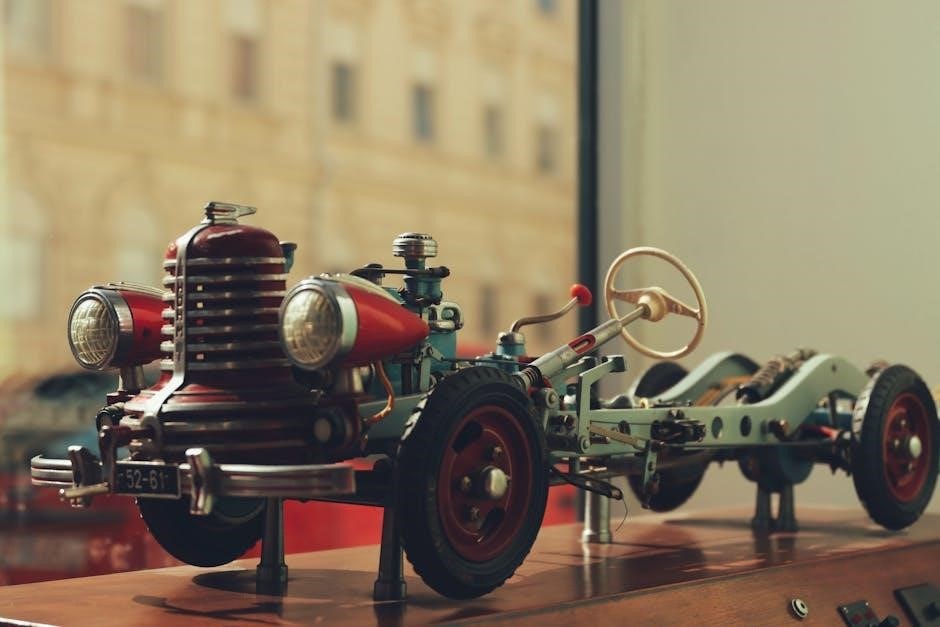
Dive into the world of KNEX car building! This guide offers step-by-step instructions‚ from simple chassis to complex models‚ fostering STEM skills and creative fun․

Knex cars represent a fantastic entry point into the world of engineering and construction for builders of all ages․ Unlike static models‚ Knex allows for dynamic‚ working vehicles‚ fostering creativity and problem-solving skills․ These construction toys offer an immersive building experience‚ with kits ranging from simple designs to incredibly complex creations like battleships and helicopters․
The appeal lies in the system’s versatility; Knex encourages experimentation and modification․ A key feature is the inclusion of step-by-step instructions‚ guiding builders through each stage of the process․ This structured approach is particularly beneficial for beginners‚ providing helpful guidance and inspiration to maintain engagement․ Building Knex cars isn’t just about following directions; it’s about understanding how components interact to achieve motion and functionality․

Understanding Knex Components for Car Building
Successful Knex car construction hinges on understanding the core components․ The system revolves around connectors‚ rods‚ and plates‚ each playing a vital role in structural integrity and functionality․ Connectors act as joints‚ allowing rods to attach and create frameworks․ Rods provide the length and support needed for the chassis and bodywork․ Plates and bases form the solid foundation upon which the vehicle is built․

Beyond these basics‚ specialized parts like wheels‚ axles‚ and gears introduce movement and complexity․ Mastering how these elements interact is crucial․ Kits often include a diverse range of parts‚ enabling builders to explore different designs and mechanisms․ Familiarizing yourself with the parts list and their intended uses will significantly streamline the building process․
Connectors: The Foundation of Your Build
Knex connectors are the essential building blocks‚ dictating the structure and flexibility of your car․ These small‚ often colorful pieces‚ come in various shapes and sizes‚ each designed for specific connection angles and strengths․ Understanding their capabilities is paramount for stable construction․ Common types include standard connectors‚ wing connectors‚ and ball joints‚ offering diverse joining possibilities․
Proper connector usage prevents structural weaknesses․ Ensure a firm click when attaching rods‚ avoiding loose connections that compromise stability․ Experiment with different connector arrangements to achieve desired angles and shapes․ They are the key to translating your design ideas into a tangible‚ rolling machine!
Rods: Providing Structure and Length
Knex rods form the skeletal framework of your car‚ providing length‚ rigidity‚ and defining its overall shape․ Available in numerous lengths and occasionally curved variations‚ they connect via the previously mentioned connectors‚ creating a robust structure․ Longer rods are ideal for chassis elements‚ while shorter ones suit detailing and bracing․
Strategic rod placement is crucial for distributing weight and resisting stress․ Consider using multiple rods in parallel for increased strength in high-load areas․ Experiment with different rod combinations to optimize your car’s structural integrity and achieve the desired aesthetic․ They are the backbone of your creation!
Plates & Bases: Creating a Solid Chassis
Knex plates and bases are essential for building a stable and reliable chassis․ These flat pieces provide a solid foundation upon which to construct your car’s structure‚ distributing weight evenly and preventing unwanted flexing; Larger baseplates offer extensive building space‚ while smaller plates are perfect for reinforcing specific areas․
Utilize plates to mount axles‚ connectors‚ and other components securely․ Experiment with layering plates for increased strength and rigidity․ Consider the placement of the chassis relative to the center of gravity for optimal balance and handling․ A well-designed chassis is the key to a successful Knex car!
Essential Tools for Knex Car Construction
While hands are your primary tools‚ certain additions significantly enhance the Knex building experience․ A Knex part separator is arguably the most crucial‚ allowing for quick and effortless disassembly without damaging pieces – a lifesaver during design iterations!
Pliers (needle-nose are best) can be helpful for tightening connections‚ especially when dealing with stubborn pieces․ Though optional‚ they provide extra leverage․ A flat surface is vital for stable building․ Finally‚ good lighting ensures you can clearly see the connections and instructions․ These simple tools will streamline your construction process!
Knex Part Separator: A Must-Have Tool
The Knex part separator is indispensable! This small‚ often overlooked tool dramatically simplifies disassembly․ Trying to pull Knex pieces apart with your fingers can be frustrating and potentially damaging to the plastic connectors․ The separator’s angled edges gently pry connections apart‚ preserving the integrity of your Knex components․
It’s especially useful for complex builds where numerous connections need to be undone for modifications or redesigns․ Investing in a Knex part separator saves time‚ reduces frustration‚ and extends the lifespan of your Knex collection․ Don’t build without one!

Pliers (Optional): For Tightening Connections
While not essential‚ pliers can be helpful for securing particularly stubborn Knex connections․ Over time‚ connectors can loosen‚ impacting the structural integrity of your car․ Carefully using pliers – ideally needle-nose pliers – allows you to gently compress the connector‚ creating a tighter fit․
However‚ exercise extreme caution! Excessive force can easily break the plastic․ This tool is best suited for reinforcing key joints in high-stress areas․ Consider it an advanced technique‚ and always prioritize gentle pressure over brute force to avoid damaging your valuable Knex pieces․
Basic Knex Car Designs & Instructions

Let’s start with the fundamentals! A simple Knex car design focuses on a robust chassis built from rods and connectors․ Begin by creating a rectangular frame – this forms the base․ Add parallel rods for length‚ ensuring secure connections at each corner․
Next‚ focus on wheel attachment․ Utilize connectors to create axles‚ sliding rods through them to form rotating wheels․ Ensure wheels spin freely! Many kits include step-by-step instructions‚ guiding you through these initial builds․ Don’t be afraid to experiment with different connector arrangements to improve stability and explore basic engineering principles․
Simple Chassis Construction
Building a solid foundation is key! Start with four long rods connected by connectors to form a basic rectangle – this is your chassis’ perimeter․ Reinforce corners with additional connectors for stability․ Consider using different connector types for varied strength․
Add crossbeams for support․ Run rods across the width and length of the rectangle‚ connecting them to the perimeter․ This prevents warping and provides mounting points for axles and other components․ Remember‚ a rigid chassis is crucial for smooth rolling and handling․ Experiment with layering rods for increased durability!
Wheel and Axle Assembly
Creating functional wheels is essential! Utilize KNEX wheels and secure them to axles – typically rods passing through the wheel’s center․ Ensure a snug fit‚ but allow free rotation․ Connectors can be used to hold the axles in place‚ attaching them to the chassis․
Axle placement impacts performance․ Position axles parallel to each other for straight movement․ Consider using multiple axles for wider vehicles or increased stability․ Test the wheel rotation frequently during assembly; friction hinders speed․ Experiment with different wheel sizes for varied speed and terrain capabilities!
Steering Mechanism Basics
Implementing steering adds a new dimension to your KNEX car! A basic system involves connecting the front axle to a steering mechanism‚ often utilizing angled connectors․ These connectors allow for directional control when manipulated․ A simple lever or rotating piece acts as the steering wheel‚ transferring force to the front wheels․
Experiment with linkage designs․ Adjusting the angle and length of connectors alters steering sensitivity․ Ensure smooth movement to avoid binding․ Test the steering range and responsiveness; iterative adjustments are key․ Consider incorporating a return-to-center mechanism for improved control!
Advanced Knex Car Building Techniques
Elevate your KNEX car builds with sophisticated techniques! Explore gear systems for increased power and speed‚ utilizing different gear ratios to optimize performance․ Implement suspension systems – using flexible connectors and strategic bracing – to absorb shocks and improve handling on uneven surfaces․
Aerodynamic design is crucial for speed․ Streamline the chassis and minimize drag with angled plates․ Reinforce structural integrity by triangulating connections․ Experiment with weight distribution for enhanced stability․ Mastering these techniques unlocks complex‚ high-performance KNEX vehicle creations!
Gear Systems: Adding Power and Complexity
Unlock greater mechanical advantage with KNEX gear systems! Utilizing gears allows you to trade speed for torque‚ or vice versa‚ dramatically impacting your car’s performance․ Experiment with different gear ratios – larger gears driving smaller gears increase torque‚ ideal for climbing or towing․
Strategic gear placement is key․ Consider using multiple gear stages for significant speed or power boosts․ Explore idler gears to reverse direction or transmit power around obstacles․ Properly aligned gears minimize friction‚ maximizing efficiency․ Mastering gear systems transforms simple KNEX cars into powerful‚ complex machines!
Suspension Systems: Improving Ride Quality
Enhance your KNEX car’s performance and realism with a suspension system! Suspension absorbs shocks‚ providing a smoother ride and improved traction on uneven surfaces․ Utilize flexible KNEX rods and connectors to create a basic spring mechanism for each wheel․
Experiment with different suspension designs․ A simple parallel linkage offers basic movement‚ while more complex systems can incorporate dampening effects․ Consider the car’s weight distribution when designing your suspension; heavier cars require stronger springs․ A well-designed suspension dramatically improves handling and stability‚ especially for off-road vehicles!
Aerodynamic Design: Enhancing Speed and Stability
Maximize your KNEX car’s speed and stability through aerodynamic design! Streamlined shapes reduce air resistance‚ allowing for faster acceleration and higher top speeds․ Utilize angled plates and smooth connectors to create a sleek body profile․ Focus on minimizing drag by avoiding sharp edges and protruding components․

Experiment with spoilers and wings to improve downforce‚ enhancing grip during turns․ Consider the car’s center of gravity; a lower center of gravity increases stability․ Aerodynamic principles‚ even applied to KNEX creations‚ can significantly impact performance and create a visually impressive vehicle!
Popular Knex Car Models & Instructions
Explore a world of KNEX car possibilities! Race car builds prioritize speed and agility‚ utilizing lightweight designs and efficient wheel assemblies․ Truck and off-road vehicle instructions focus on robust chassis construction and larger‚ grippy tires for tackling varied terrain․
For Formula 1 enthusiasts‚ designs emphasize aerodynamic efficiency and sleek profiles․ Many online resources offer detailed instructions for these models․ KNEX vehicle building sets provide step-by-step guidance for creating battleships‚ helicopters‚ and more‚ offering immersive building experiences․ Discover inspiration and build your dream KNEX car today!

Race Car Builds: Speed and Agility

Unleash speed with streamlined KNEX race cars! Focus on lightweight chassis designs using minimal connectors and rods to reduce weight․ Employ efficient wheel and axle assemblies‚ ensuring smooth‚ low-friction rolling․ Aerodynamic elements‚ like angled plates‚ can minimize drag and enhance stability at high speeds․
Gear systems‚ though adding complexity‚ can provide a power boost for acceleration․ Step-by-step instructions are crucial for precise builds․ Prioritize a low center of gravity for improved handling․ Explore various fin and spoiler designs to optimize performance and create a visually stunning racer!
Truck & Off-Road Vehicle Instructions
Build rugged KNEX trucks capable of tackling any terrain! Prioritize a robust chassis constructed with numerous plates and reinforced connectors for durability․ Larger‚ wider wheels with enhanced traction are essential for off-road performance․ Consider incorporating a suspension system – even a basic one – to absorb shocks and maintain stability․
Step-by-step instructions will guide you through building a strong frame․ Explore gear ratios for increased torque‚ enabling the truck to climb obstacles․ Add details like roll cages and winches for realism and functionality․ Focus on a high ground clearance to navigate uneven surfaces effectively!
Formula 1 Style Car Designs
Recreate the speed and elegance of Formula 1 with KNEX! These designs demand aerodynamic efficiency‚ so focus on a low-profile chassis and streamlined bodywork․ Utilize angled plates to create a sleek‚ sloping nose and rear wing․ A central‚ reinforced frame is crucial for handling high speeds and potential impacts․
Experiment with gear ratios to maximize acceleration and top speed․ Precise steering mechanisms are vital for cornering․ Consider incorporating a roll cage for added safety and structural integrity․ Step-by-step instructions will help you achieve a realistic F1 aesthetic and performance!
Troubleshooting Common Knex Car Problems
Encountering issues with your KNEX car? Don’t worry‚ it’s part of the building process! If your car won’t roll‚ identify friction points – check for tight connections or misaligned wheels․ Steering problems often stem from loose connectors or an improperly adjusted mechanism; ensure smooth movement․
Structural instability can be addressed by reinforcing the chassis with additional rods and plates․ Carefully examine connections‚ ensuring they are secure․ Remember‚ a little patience and methodical checking can resolve most issues․ Utilize online resources and communities for further assistance!
Cars That Won’t Roll: Identifying Friction Points
Is your KNEX car refusing to roll? The most common culprit is friction! Begin by inspecting the wheel and axle assemblies․ Ensure axles aren’t bent and rotate freely within the connectors․ Check for tight connections throughout the chassis; overly compressed pieces create resistance․
Look closely at where wheels meet the chassis – any rubbing indicates a problem․ Slightly loosen connections to alleviate pressure‚ but maintain structural integrity․ Test after each adjustment to pinpoint the exact source of friction․ A smooth‚ unobstructed path is key for effortless rolling!
Steering Issues: Adjusting the Mechanism
Experiencing trouble with your KNEX car’s steering? Often‚ it’s a matter of fine-tuning the connection points․ Inspect the steering linkage – the rods and connectors responsible for turning the wheels․ Ensure these connections aren’t too tight‚ restricting movement‚ or too loose‚ causing imprecise control․
Experiment with slightly altering the angle of the steering rods․ Small adjustments can make a big difference in responsiveness․ Check for any binding or friction within the steering mechanism itself․ A smooth‚ fluid motion is the goal․ Test frequently after each tweak to achieve optimal steering performance!
Structural Instability: Reinforcing the Chassis
Is your KNEX car chassis feeling wobbly or prone to collapsing? Structural integrity is key for a durable build․ Focus on adding more connectors‚ particularly at joints and stress points․ Utilize longer rods to span greater distances‚ creating a more rigid frame․ Triangular bracing is incredibly effective – adding triangles within the chassis dramatically increases strength․
Consider layering plates to create thicker‚ more robust sections․ Avoid overly complex designs initially; simplicity often leads to greater stability․ Regularly test the chassis by applying gentle pressure to identify weak areas․ Reinforce those spots with additional KNEX pieces for a solid foundation!
Finding Knex Car Instructions Online
Need inspiration or detailed guides for your KNEX car projects? The internet is a treasure trove of resources! Start with the official KNEX website – they often provide building instructions and model ideas․ YouTube is a fantastic platform‚ hosting numerous tutorials and step-by-step building guides created by KNEX enthusiasts․
Explore KNEX fan communities and forums; these spaces are brimming with shared designs‚ troubleshooting tips‚ and collaborative building experiences․ Search specifically for “KNEX car instructions” to narrow your results․ Remember to check the date of instructions‚ as older models may differ․
Official Knex Website Resources
The official KNEX website (knex․com) serves as a primary hub for builders seeking instructions and inspiration․ You’ll discover a dedicated section featuring downloadable building instructions for various KNEX sets‚ including many car models․ Look for model-specific instructions‚ often presented as PDF documents‚ detailing each step of the construction process․
Beyond instructions‚ the site offers model showcases‚ providing ideas and sparking creativity․ Explore the “Ideas” or “Gallery” sections to view creations from other builders․ The website also frequently updates with new models and resources‚ ensuring a constantly evolving source of KNEX car building guidance․
YouTube Tutorials & Building Guides
YouTube is a treasure trove of KNEX car building tutorials! Numerous channels are dedicated to showcasing KNEX creations‚ offering visual‚ step-by-step guidance․ Search for “KNEX car instructions” or specific model names to find relevant videos․ These tutorials often demonstrate techniques beyond the official instructions‚ providing alternative building methods․
Many creators offer slow-paced‚ detailed builds‚ ideal for beginners․ Look for channels that focus on explaining the ‘why’ behind each connection‚ not just the ‘how’․ YouTube allows you to pause‚ rewind‚ and re-watch sections‚ enhancing the learning experience; Don’t hesitate to explore different tutorials for the same model!
Knex Fan Communities & Forums
Connect with fellow KNEX enthusiasts in online communities and forums! These platforms are invaluable resources for sharing designs‚ troubleshooting issues‚ and discovering new building techniques․ Dedicated KNEX forums often feature sections specifically for car builds‚ allowing you to find instructions and inspiration․
Engage in discussions‚ ask questions‚ and share your own creations․ Many experienced builders are eager to help newcomers․ These communities often host building challenges and contests‚ providing motivation and a chance to showcase your skills․ Explore sites like Flickr and dedicated KNEX groups on social media for visual inspiration and collaborative projects․