
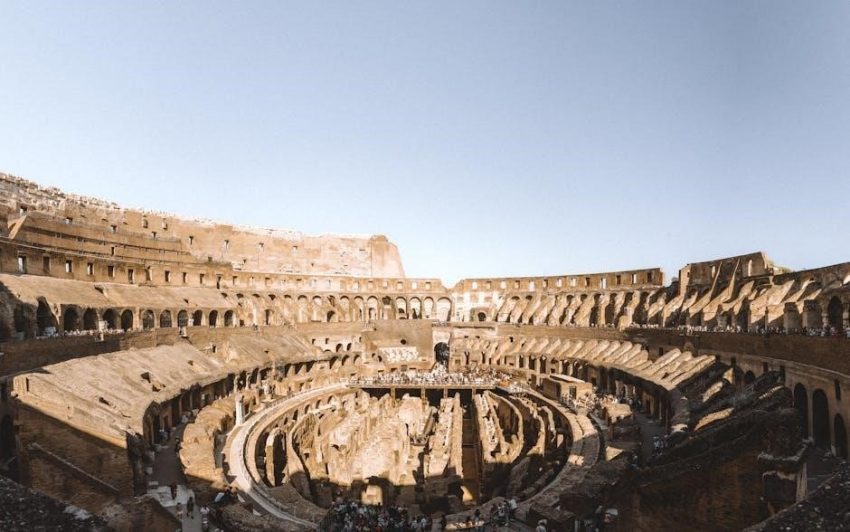
Planning Your Self-Guided Colosseum Tour
Planning a self-guided Colosseum tour requires advance ticket booking due to the immense popularity – over six million visitors annually – ensuring a smoother experience.
Understanding the Colosseum’s History
The Colosseum, originally known as the Flavian Amphitheatre, stands as an enduring symbol of the Roman Empire’s power and engineering prowess. Construction began around 70-72 AD under Emperor Vespasian of the Flavian dynasty, and was completed in 80 AD under his successor, Titus.
This massive amphitheater hosted spectacular public events for centuries, including gladiatorial contests, animal hunts, and public executions. These games were not merely entertainment; they were integral to Roman political and social life, serving to appease the populace and demonstrate imperial authority. Understanding this historical context enriches any self-guided tour, allowing visitors to appreciate the Colosseum’s significance beyond its architectural grandeur.
The Importance of Booking Tickets in Advance
Booking tickets in advance is absolutely crucial for a successful self-guided Colosseum tour. With over six million visitors annually, the Colosseum experiences consistently high demand, leading to long queues and potential disappointment if you arrive without pre-purchased entry.
Securing tickets online not only saves valuable time but also guarantees your access, especially during peak season. Skipping the ticket line allows you to maximize your exploration of the Colosseum, Roman Forum, and Palatine Hill. Prompt planning, as early as possible, is highly recommended to avoid sold-out dates and ensure a smooth, enjoyable visit to this iconic landmark.
Choosing the Right Ticket Type
Selecting the appropriate ticket is vital for your self-guided Colosseum tour. Combination tickets offering access to the Colosseum, Roman Forum, and Palatine Hill provide comprehensive value, covering the core ancient Roman sites. However, for a more immersive experience, consider tickets granting access to the Colosseum Underground and Arena Floor.
These specialized tickets offer a unique perspective, allowing you to explore the areas where gladiators and animals were held before entering the arena. Evaluate your interests and desired level of exploration when making your choice, ensuring your ticket aligns with your planned itinerary and enhances your overall experience.
Colosseum, Roman Forum & Palatine Hill Combination Tickets
Combination tickets represent an excellent value for a self-guided tour, granting entry to three iconic Roman landmarks. This option allows you to seamlessly transition between the Colosseum’s grandeur, the Roman Forum’s historical heart, and Palatine Hill’s mythical origins.
Be aware that Palatine Hill can become crowded later in the day, so consider visiting earlier for a more peaceful experience. These tickets provide a comprehensive overview of ancient Rome, enabling you to explore the political, social, and religious center of the empire. Planning your route strategically maximizes your time and minimizes potential queues.
Colosseum Underground & Arena Floor Access
Accessing the Colosseum’s Underground (Hypogeum) and Arena Floor elevates a self-guided tour to a truly immersive experience. These specialized tickets offer a glimpse into the complex system of tunnels and chambers where gladiators and animals awaited their fate.
Imagine reconstructing the gladiatorial contests as you stand where they once battled! Tickets for this area are limited and sell out quickly, emphasizing the critical need for advance booking. Guided tours are often required for these areas, but independent exploration is possible with the correct ticket type, offering a unique perspective on the Colosseum’s history.
Best Time to Visit the Colosseum
Determining the best time for a self-guided Colosseum tour significantly impacts your experience. Avoiding peak season crowds – particularly summer – is crucial, as the site receives over six million visitors annually. Consider visiting during the shoulder seasons (spring or fall) for pleasant weather and fewer people.
Optimal visiting hours involve arriving early in the morning, shortly after opening, or later in the afternoon. This strategy helps minimize wait times and allows for more comfortable exploration. Remember that even during off-peak times, the Colosseum remains a popular destination, so patience is key!
Avoiding Peak Season Crowds
Successfully avoiding peak season crowds is paramount for a pleasant self-guided Colosseum tour. The Colosseum welcomes over six million visitors yearly, making summer months exceptionally busy. Opt for travel during the shoulder seasons – April-May or September-October – to experience milder weather and significantly reduced queues.
Consider visiting on weekdays rather than weekends, as local tourism tends to increase on Saturdays and Sundays. Early morning or late afternoon visits also help bypass the largest influx of tourists. Pre-booking tickets is essential, but even with tickets, expect some waiting; strategic timing is your best defense against overwhelming crowds.
Optimal Visiting Hours
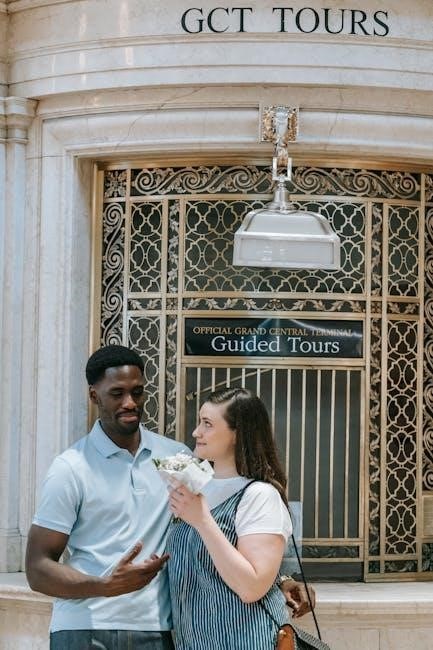
Determining optimal visiting hours is crucial for maximizing your self-guided Colosseum tour. Arriving promptly at opening time – typically 8:30 AM – allows you to explore with fewer people, as evidenced by guided tour start times around 9:15 AM. This early access provides a more immersive experience before the crowds swell.
Alternatively, consider visiting in the late afternoon, around 3:00 PM or later, as some tour groups begin to depart. However, be mindful of closing times. Remember that the Roman Forum and Palatine Hill can become crowded later in the day, so plan accordingly. Prioritize the Colosseum during quieter periods for a more enjoyable visit;
Navigating the Colosseum: Entry Points & Security
Navigating the Colosseum involves understanding entry points and security procedures for a smooth self-guided tour; Expect airport-style security checks, so minimize belongings to expedite the process. Different ticket types grant access through specific entrances; confirm yours beforehand to avoid queues.
The main entrances are located on the Piazza del Colosseo side. Be prepared for potential lines, even with pre-booked tickets. Allow ample time for security screening. Familiarize yourself with the Colosseum’s layout beforehand to efficiently locate key areas once inside. Remember to keep your tickets readily accessible throughout your visit for re-entry or inspections.
Essential Items to Bring on Your Tour
Essential items for your self-guided Colosseum tour prioritize comfort and protection. Comfortable shoes are paramount, as you’ll be doing extensive walking on uneven surfaces. Bring water to stay hydrated, especially during warmer months, as facilities inside can be limited and expensive.
Sun protection – a hat, sunglasses, and sunscreen – is crucial, particularly during peak season. A small backpack can hold these essentials, plus a portable charger for your phone (for photos and apps). Consider a light jacket or sweater, as the interior can be cooler. A map (digital or physical) can aid navigation.
Comfortable Shoes
Comfortable shoes are absolutely non-negotiable for a self-guided Colosseum tour. You’ll be navigating ancient ruins with uneven cobblestone pathways, extensive walking, and potentially climbing stairs throughout the Colosseum, Roman Forum, and Palatine Hill. Prioritize supportive footwear – sneakers or walking shoes are ideal – over stylish but impractical options.
Blisters can quickly ruin your experience, so ensure your shoes are well broken-in before your visit. Consider shoes with good ankle support, especially if you’re prone to twisting. Expect to spend several hours on your feet, so comfort is key to fully enjoying the historical sites.
Water & Sun Protection
Water and sun protection are essential for a comfortable self-guided Colosseum tour, particularly during warmer months. Rome can get very hot, and there’s limited shade within the Colosseum and surrounding archaeological areas. Carry a reusable water bottle and refill it whenever possible to stay hydrated throughout your exploration.
Protect yourself from the sun with a hat, sunglasses, and sunscreen with a high SPF. Consider a lightweight, long-sleeved shirt for added protection. The sun’s intensity can be surprisingly strong, even on cloudy days, so proactive sun care is crucial for avoiding sunburn and heat exhaustion.
Self-Guided Tour Route: A Suggested Itinerary
A suggested itinerary for your self-guided Colosseum tour begins with exploring the exterior, capturing photos from various angles. Then, proceed inside, focusing on the first level to understand seating arrangements and social hierarchy. Ascend to the second and third levels for panoramic views of the Colosseum and Roman Forum.
If you have access, dedicate time to the underground (Hypogeum) and arena floor, visualizing gladiatorial contests. Allocate sufficient time for the Roman Forum and Palatine Hill, allowing for a comprehensive experience. Remember the Forum gets crowded later in the day, so visit early!
Exploring the First Level
Exploring the first level of the Colosseum reveals insights into ancient Roman society. Observe the remaining structure and imagine the bustling crowds that once filled the arena. Pay attention to the areas where the general public would have stood, marked by white stone steps in a prime viewing location.
Consider the social hierarchy reflected in the seating arrangements; different levels were designated for various social classes. Visualize the spectacle of gladiatorial contests and public events that unfolded here, understanding the scale and grandeur of the amphitheater. This level provides a foundational understanding of the Colosseum’s purpose.
The Seating Arrangements & Social Hierarchy
The Colosseum’s seating meticulously reflected Rome’s rigid social hierarchy. The closer to the arena floor, the higher one’s social standing. Emperors and Vestal Virgins occupied the best seats, followed by senators and other nobles.
Further up were seats for equestrians (knights), then ordinary Roman citizens, and finally, at the very top, wooden seats were reserved for women and the lower classes. This tiered arrangement wasn’t merely about comfort; it was a visual representation of power and status, reinforcing the social order during public spectacles. Observing this layout offers a glimpse into Roman life.
Delving into the Second & Third Levels
Ascending to the second and third levels of the Colosseum rewards visitors with breathtaking panoramic views. From these heights, you can fully appreciate the sheer scale of the amphitheater and its architectural ingenuity.

Looking down, observe the reconstructed arena floor and imagine the gladiatorial contests and public spectacles that once unfolded below. Simultaneously, gaze outwards to capture stunning vistas of the Roman Forum and Palatine Hill, understanding their interconnectedness within ancient Rome. These upper levels offer unique photographic opportunities and a broader perspective on the Colosseum’s historical context.
Panoramic Views of the Colosseum & Roman Forum
Reaching the higher levels unveils truly spectacular panoramic views, offering a unique perspective on both the Colosseum itself and the sprawling Roman Forum. From these vantage points, the amphitheater’s intricate structure becomes even more apparent, showcasing its impressive scale and engineering.
The vista extends beyond the Colosseum, encompassing the ruins of the Roman Forum, allowing you to visualize the heart of ancient Rome’s political and social life. Capture stunning photographs, appreciating the historical connection between these iconic landmarks. These views enhance the self-guided tour, providing context and a sense of wonder.
Discovering the Colosseum Underground (Hypogeum)
Venturing beneath the arena floor into the Hypogeum reveals a complex network of tunnels, chambers, and holding cells. This hidden world was the operational heart of the Colosseum, housing gladiators, animals, and machinery used to create spectacular events.
Imagine the bustling activity and anticipation as performers and creatures awaited their moment in the arena. Explore the remnants of the sophisticated system that facilitated trapdoors, elevators, and elaborate stage effects. Understanding the Hypogeum adds a crucial layer to your self-guided tour, revealing the logistical marvel behind the gladiatorial contests.
The Complex System of Tunnels & Chambers
The Hypogeum’s intricate layout comprised a labyrinth of tunnels and chambers, meticulously engineered to support the Colosseum’s spectacles. This subterranean network facilitated the swift and surprising appearance of gladiators and animals onto the arena floor via a sophisticated system of trapdoors and elevators.
These chambers weren’t merely holding pens; they were workshops for stagecraft, housing the machinery and personnel required to orchestrate the dramatic events above. Exploring this area reveals the ingenuity of Roman engineers and the logistical complexity of staging large-scale entertainment.
Understanding the Arena Floor
The Colosseum’s arena floor, originally covered in wood and sand, was the stage for gladiatorial contests and public spectacles. Imagine the intense drama unfolding above the complex network of tunnels below – the Hypogeum. Reconstructing these events requires visualizing the floor as a dynamic space, capable of transforming to simulate various environments.
Gladiators battled, and animals were hunted, all while thousands of spectators looked on. The arena wasn’t just a fighting ground; it was a carefully constructed performance space designed to maximize spectacle and engage the Roman public. Consider the strategic placement of seating and the flow of action.
Reconstructing the Gladiatorial Contests
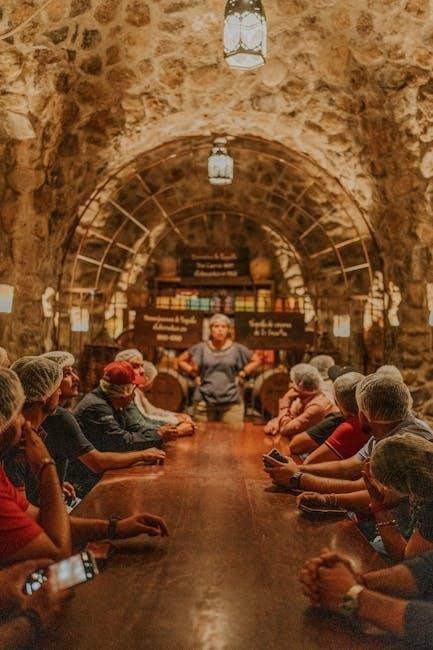
Visualizing gladiatorial contests within the Colosseum demands understanding the spectacle’s theatricality. These weren’t simply brutal fights; they were highly choreographed events with elaborate entrances, specialized weaponry, and distinct fighting styles. Imagine the roar of the crowd as gladiators entered the arena, their fates hanging in the balance.
Consider the types of gladiators – each with unique armor and skills – and the roles they played. The arena floor, once covered in sand to absorb blood, hosted diverse combats, including animal hunts and public executions. Recreating the atmosphere requires acknowledging the blend of violence, skill, and political messaging.
Visiting the Roman Forum
The Roman Forum, the ancient city’s bustling heart, lies adjacent to the Colosseum, offering a crucial historical context. Once a swamp, it evolved into the center of Roman political, religious, and social life. Explore the ruins of temples, basilicas, and government buildings, imagining the vibrant activity that once filled this space.
Visiting early is advisable, as the Forum can become crowded, particularly when combined with Palatine Hill. Allow ample time to wander through the remnants of this once-great civilization, appreciating the layers of history revealed in the stones. It’s a powerful complement to the Colosseum experience, illustrating the broader scope of ancient Rome.
The Heart of Ancient Rome
The Roman Forum truly embodies the heart of ancient Rome, evolving from a marshland into the epicenter of political, religious, and commercial life. Imagine senators debating, citizens gathering, and triumphs celebrated within these now-ruined structures. Key sites include the Temple of Saturn, the Arch of Titus, and the remains of the Senate House.
Exploring the Forum provides a tangible connection to the daily lives of ancient Romans. Consider the Forum’s significance as a public space, a marketplace, and a religious center. It’s a place where history comes alive, offering a profound understanding of Roman civilization and its enduring legacy.
Exploring Palatine Hill
Palatine Hill, steeped in mythology and imperial history, offers breathtaking views and a glimpse into Rome’s origins. Legend claims Romulus founded Rome here, and it later became the preferred residential area for emperors and the elite. Explore the ruins of imperial palaces, including those of Augustus, Tiberius, and Domitian, showcasing opulent architecture and intricate designs.
Visiting Palatine Hill often means encountering crowds, particularly later in the day. Arriving early can provide a more peaceful experience. The hill’s elevated position provides stunning panoramic views of the Roman Forum and the Colosseum, offering unique photographic opportunities and a broader understanding of the ancient city’s layout.
Mythical Origins & Imperial Residences
Palatine Hill’s significance stems from its rich mythology; it’s believed to be where Romulus established Rome. This legendary origin story intertwines with its later role as the exclusive residential district for emperors and Rome’s aristocracy. Imperial palaces, built by figures like Augustus, Tiberius, and Domitian, demonstrate the power and wealth concentrated on this hill.
Exploring these ruins reveals intricate architectural details and provides insight into the luxurious lifestyles of Roman rulers. The hill’s strategic location offered both prestige and defensive advantages. Understanding this dual nature – mythical foundation and imperial power center – enhances the self-guided tour experience.

Photography Tips for the Colosseum
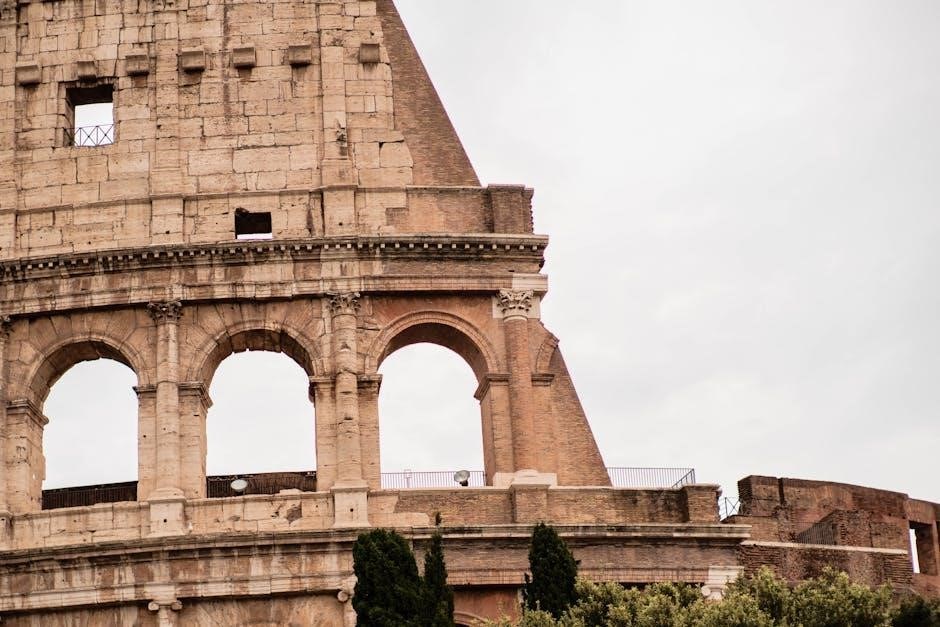
Capturing the Colosseum’s grandeur requires thoughtful planning. Walk around the exterior to discover unique angles, especially before or after peak hours for better light and fewer crowds. Utilize the varying levels within the Colosseum to frame shots, showcasing its immense scale.
Consider a wide-angle lens to encompass the entire structure, and a zoom lens to highlight architectural details. Pay attention to the interplay of light and shadow, particularly during sunrise or sunset. Don’t forget to photograph the surrounding areas, like the Arch of Constantine, to provide context. Experiment with perspectives to create compelling images.
Capturing the Grandeur & Detail
To truly capture the Colosseum’s essence, blend wide-angle shots showcasing its overall majesty with detailed close-ups of its architectural features. Focus on the textures of the stone, the intricate arches, and the remnants of its past. Utilize natural light to emphasize depth and dimension, avoiding harsh midday sun.
Experiment with different perspectives – shooting from below, above, or through arches – to create visually interesting compositions. Don’t overlook the smaller details, like the vegetation growing amongst the ruins, which add a touch of life and history. Remember to frame your shots thoughtfully, considering the surrounding landscape.
Utilizing Audio Guides & Apps
Enhance your self-guided experience with readily available audio guides and mobile applications. These resources provide detailed historical context, insightful commentary, and fascinating anecdotes about the Colosseum, Roman Forum, and Palatine Hill. Several apps offer self-guided audio tours, allowing you to explore at your own pace and delve deeper into specific areas of interest.
Consider downloading these resources before your visit to avoid relying on potentially spotty Wi-Fi. Many apps include maps and interactive features, further enriching your exploration. They transform a simple walk into an immersive journey through ancient Rome, offering a richer understanding of its history and significance.
Enhancing Your Self-Guided Experience
To truly maximize your self-guided Colosseum tour, consider utilizing available resources like audio guides and mobile applications. These tools unlock a deeper understanding of the site’s history, offering detailed commentary and fascinating stories. Download apps beforehand to avoid Wi-Fi issues and benefit from interactive maps.
Don’t hesitate to combine technology with personal exploration. Take time to wander, observe architectural details, and imagine the gladiatorial contests. A hop-on hop-off bus tour can efficiently transport you between the Colosseum and other key Roman landmarks, streamlining your itinerary and maximizing sightseeing opportunities.
Hop-On Hop-Off Bus Tours & Colosseum Access
Integrating a hop-on hop-off bus tour with your self-guided Colosseum exploration offers a convenient and efficient way to navigate Rome’s major attractions. These tours frequently include the Colosseum as a key stop, alongside destinations like Vatican City and Piazza Navona, simplifying transportation.
Utilizing these buses allows you to easily access the Colosseum and then continue exploring other historical sites at your own pace. This approach is particularly beneficial for visitors wanting to see multiple landmarks without the complexities of public transport or taxi services, enhancing the overall self-guided experience.
Nearby Attractions & Combining Your Visit
Enhance your self-guided Colosseum tour by exploring nearby historical treasures. The majestic Arch of Constantine, situated directly beside the Colosseum, provides a stunning photographic opportunity and a glimpse into Roman triumphal architecture. Consider a combined visit to fully appreciate its historical context.
Vatican City, while a bit further afield, is readily accessible and offers a contrasting yet complementary experience. Planning a day encompassing both the Colosseum and Vatican City allows for a comprehensive immersion into Rome’s ancient and religious heritage, maximizing your time and enriching your self-guided adventure.
Arch of Constantine
Located immediately adjacent to the Colosseum, the Arch of Constantine stands as a remarkable testament to Roman imperial power and artistry. This triumphal arch, erected to commemorate Constantine’s victory at the Battle of Milvian Bridge, offers a captivating visual complement to your Colosseum exploration.
Take time to observe the intricate reliefs and sculptures adorning the arch, noting the repurposed elements from earlier monuments. It’s a fantastic photo opportunity, framing the Colosseum beautifully. Integrating a study of the Arch into your self-guided tour provides a deeper understanding of Roman history and artistic practices.
Vatican City Proximity
While requiring dedicated time, Vatican City’s relative proximity to the Colosseum allows for potential combination visits, though careful planning is essential. Consider the travel time between the two sites – approximately 30-45 minutes via public transport or taxi – when structuring your itinerary.
Many hop-on hop-off bus tours conveniently link these major attractions, offering a practical solution for maximizing sightseeing efficiency. However, be mindful of the distinct atmospheres and security procedures at each location. Prioritize pre-booked tickets for both to avoid lengthy queues and ensure a seamless experience during your Roman adventure.

Food & Drink Options Near the Colosseum
Numerous restaurants and cafes surround the Colosseum, catering to diverse tastes and budgets. From traditional Roman trattorias serving pasta and pizza to quick-service options for a snack and drink, choices abound. Be aware that establishments immediately adjacent to the monument may be pricier due to their location.

Venture a few blocks further afield to discover more authentic and affordable dining experiences. Consider packing water and light refreshments, especially during warmer months, to stay hydrated throughout your self-guided tour. Enjoying a gelato while admiring the Colosseum’s grandeur is a quintessential Roman experience!
Accessibility Considerations for Visitors
The Colosseum offers accessibility features for visitors with mobility impairments, though navigating the ancient site presents challenges. Elevators provide access to the first and second levels, and wheelchairs are available for loan with prior reservation. However, the underground levels (Hypogeum) and arena floor remain largely inaccessible to wheelchair users.
Accessible restrooms are available. The Roman Forum and Palatine Hill have uneven terrain, making wheelchair access difficult in certain areas. Planning your route in advance and contacting the Colosseum’s accessibility services is highly recommended to ensure a comfortable and enjoyable self-guided tour.
Safety Tips for a Smooth Visit
When embarking on a self-guided Colosseum tour, prioritize safety and security. Be mindful of pickpockets, especially in crowded areas, and keep your belongings secure. Stay hydrated, particularly during warmer months, and wear comfortable shoes for extensive walking on uneven surfaces.
Adhere to all posted rules and guidelines, and be cautious when approaching edges or restricted areas. Familiarize yourself with emergency exits and procedures. Be aware of your surroundings and report any suspicious activity to security personnel. Planning your visit during off-peak hours can also contribute to a safer and more relaxed experience.